
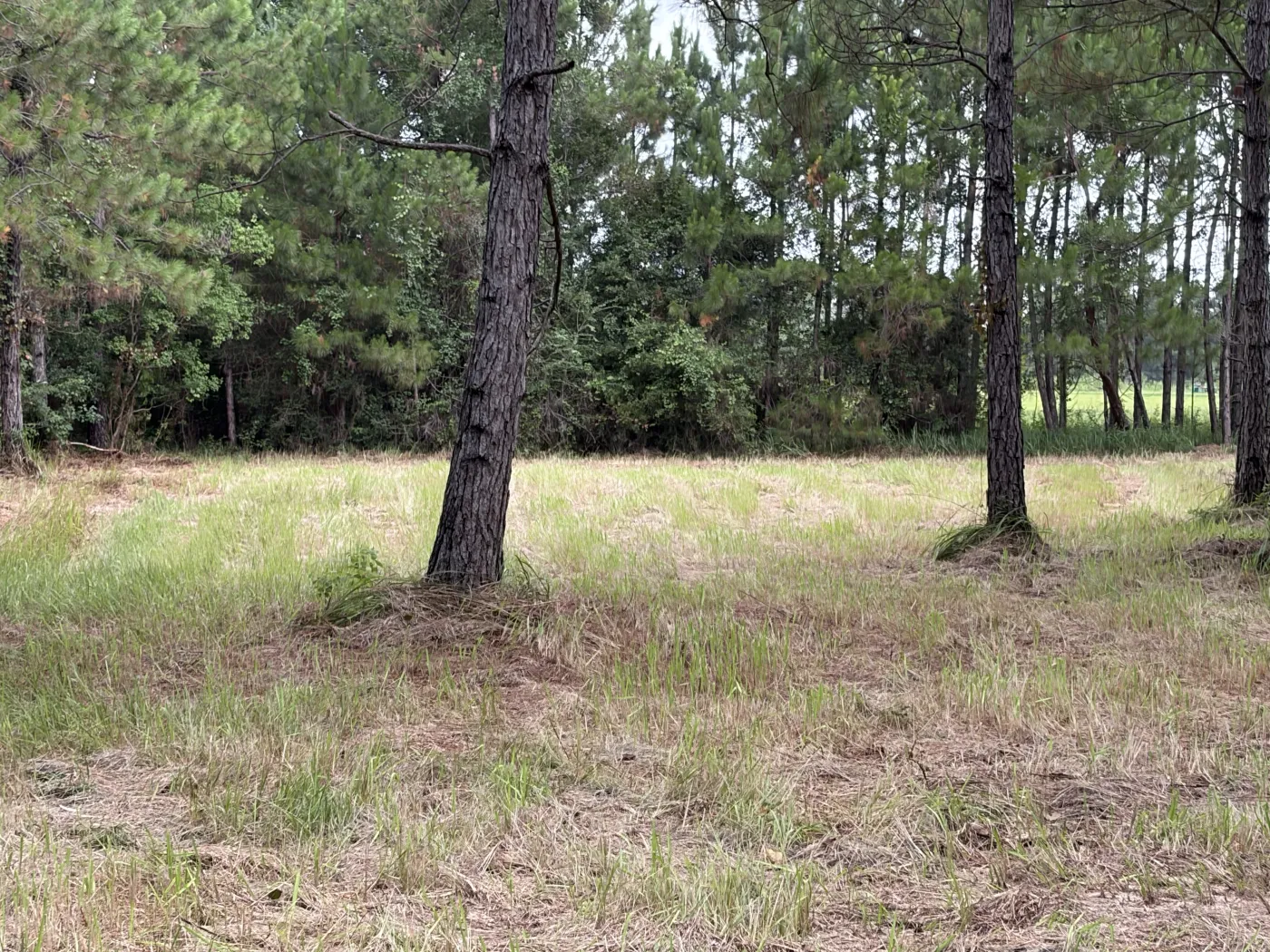
Do you need a permit to clear land in Mobile, AL?
Inside the Mobile city limits, yes in most cases: the City of Mobile requires a land disturbance permit any time land is disturbed and bare soil is exposed, and that includes clearing, grubbing, and bringing in fill, not just building. Outside the city, in unincorporated Mobile County, the trigger is the state’s one-acre rule under ADEM’s Construction General Permit. The good news for property owners around Mobile: there are simpler lanes for small residential jobs, and a permit scope that covers clearing only.
The City of Mobile’s four permit tiers
Mobile’s Engineering Permitting Department sorts land disturbance into four lanes:
| Tier | What it covers |
|---|---|
| Tier I | Commercial or residential disturbance of one acre or more |
| Tier II | Commercial or residential disturbance under one acre |
| Tier III | Under one acre, where no engineered civil plan is required |
| Single Family Residential Affidavit (SFRA) | Minor single-family residential work under 4,000 square feet |
Two details matter for most homeowners and small builders. First, permits can be issued for limited scopes such as clearing only. You do not need full construction drawings to legally clear a lot. The city’s clearing-and-grubbing provision applies to private single lots under an acre and to any property over an acre. Second, the SFRA exists precisely so a small residential project does not carry commercial-grade paperwork; it covers minor disturbance under 4,000 square feet with its own restrictions.
Engineered civil plans enter the picture as projects grow. Most development-scale work needs a professional engineer on the site plan, but the city allows limited cases, small grading and landscaping work among them, to come from other credentialed design professionals. Grade changes deeper than two feet, cut slopes over five feet, work in flood zones or mapped wetlands, or anything that reroutes stormwater will pull a project up the tier ladder.
Questions about whether your specific lot needs one go to the Engineering Permitting Department at 251-208-7810 or land.disturbance@cityofmobile.org, and applications run through the Build Mobile portal.
Outside the city: Mobile County and the ADEM one-acre rule
In unincorporated Mobile County, two layers apply. Mobile County Engineering’s Planning and Development Department handles land disturbance permitting outside the cities, and on development work the county wants a Permit to Develop from Mobile County Public Works before any clearing and grubbing, grading, or excavation. A site that lies in a mapped flood hazard area, in whole or in part, needs a Permit to Develop in a Special Flood Hazard Area. The state layer is the NPDES Construction General Permit (ALR100000). Coverage is required when a site will disturb one acre or more, or under an acre when the lot is part of a common plan of development (a subdivision lot, for example) that totals an acre or more. Coverage means a Notice of Intent through ADEM’s portal and a Construction Best Management Practices Plan prepared by a Qualified Credentialed Professional, with erosion and sediment controls maintained through the job. We covered the same state framework from the Baldwin side in our Baldwin County clearing rules guide, and it works identically west of the bay.
ADEM’s own exemption list is the sanity check for small jobs: home gardens and individual home landscaping, home repairs and maintenance, and fence installation are out of scope. So is normal agricultural and silvicultural activity.
What this means for a typical clearing job
- Overgrown residential lot, under an acre, city limits: ask about Tier III or the SFRA; clearing-only scope is available. Light forestry mulching that grinds brush in place and leaves soil undisturbed sits at the gentle end of the spectrum, which is one reason we lead with it on maintenance-grade jobs.
- Acreage outside the city: under an acre with no bigger plan attached, you are generally outside ADEM’s trigger; at an acre or more, the NOI-and-BMP path applies before the first machine moves.
- Anything near mapped wetlands or a flood zone: slow down and check first. Those features move a job up the permit ladder regardless of size, and they are common in south Mobile County.
The pattern across every jurisdiction we work: the permit is cheaper than the enforcement. Mobile’s stormwater rules exist because exposed soil ends up in storm drains, creeks, and eventually the bay, and the city backs them with inspections and stop-work authority. Our site prep and grading crews carry the erosion-control side as part of the job, so the paperwork matches what actually happens on the ground.
If you are staring at an overgrown lot anywhere on the Mobile side of the bay and want to know which lane your job falls into, call (251) 747-7839. We will look at the ground with you, tell you what the job needs, and price it for free.